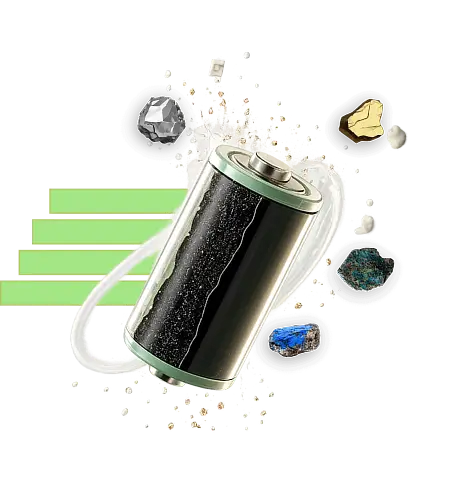
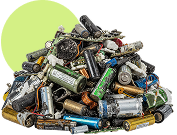
Lithium-ion batteries are the backbone of electric mobility, energy storage, and modern electronics. Yet, without scientific recycling, they become one of the most hazardous and resource-intensive waste streams. Not battery dismantling. Not credit trading. Extraction-led, materials-grade recycling at industrial scale.
Lithium-ion batteries are chemically complex, energy-dense, and safety-sensitive systems. Improper handling leads to fire risk, environmental contamination, and irreversible material loss.Conventional recycling approaches that rely on dismantling or partial recovery fail to address the true value locked inside batteries. Recyclekaro approaches batteries as strategic material reservoirs, not just hazardous waste.
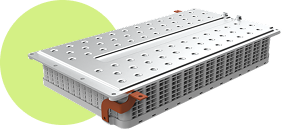
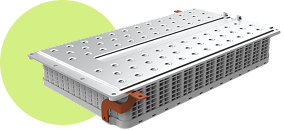
End-of-Life EV Battery Packs & Modules
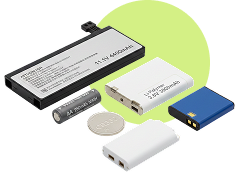
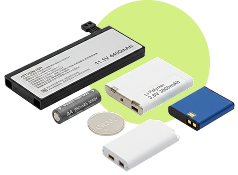
Consumer Electronics Batteries
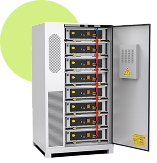
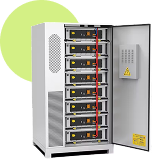
Energy Storage System (ESS) Batteries
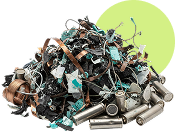
Battery Manufacturing Scrap
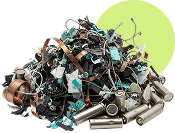
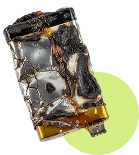
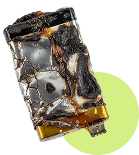
Damaged, Swollen & Rejected Batteries
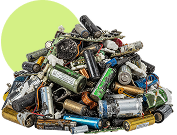
Mixed-Chemistry Battery Waste
End-of-Life EV Battery Packs & Modules
Consumer Electronics Batteries
Energy Storage System (ESS) Batteries
Battery Manufacturing Scrap
Damaged, Swollen & Rejected Batteries
Mixed-Chemistry Battery Waste
Our processes are engineered to handle evolving battery chemistries while maintaining recovery efficiency and material quality.
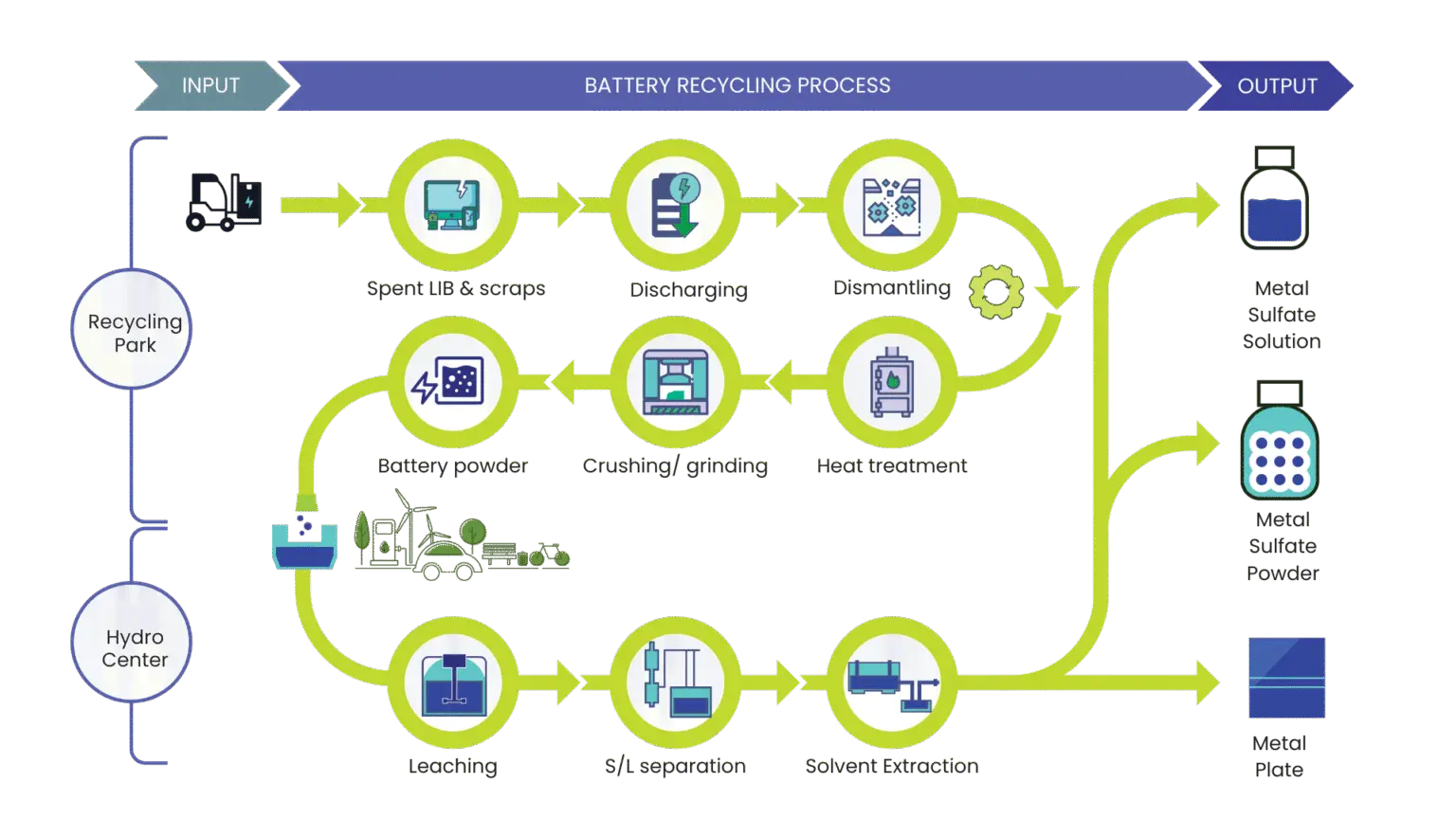
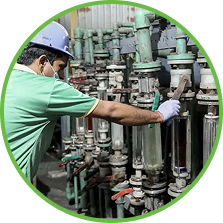
This workflow prioritises safety, yield, and downstream material usability.
Risk-neutralisation and controlled energy discharge.
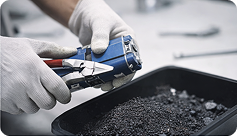
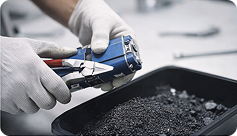
Module-level dismantling and controlled shredding.
Separation of active materials from structural components.
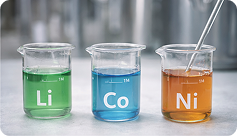
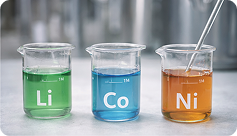
Extraction of lithium, cobalt, nickel, and manganese.
Risk-neutralisation and controlled energy discharge.
Module-level dismantling and controlled shredding.
Separation of active materials from structural components.
Extraction of lithium, cobalt, nickel, and manganese.
Recovery efficiencies exceed 95%, with material purity suitable for cathode active material and precursor manufacturing.
Not all batteries reaching end-of-use are end-of-life. Recyclekaro evaluates batteries for second-life potential before recycling.
This enables optimal utilisation of battery assets while ensuring safety and traceability.
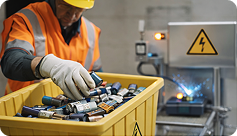
At Recyclekaro, lithium-ion batteries are processed through a controlled, safety-first workflow designed to maximise recovery and eliminate environmental risk. This ensures your battery EPR compliance is backed by actual recycling and material recovery, not downstream assumptions.
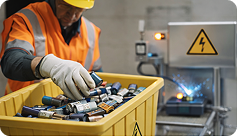
Secure collection and compliant transportation
Safe discharge and risk-neutralisation
Scientific dismantling and segregation
Advanced recovery of battery materials
Compliant handling of non-recoverable residues
Industrial-Scale Infrastructure
Materials-Grade Recovery
Multi-Chemistry Expertise
Future-Ready Capacity
Recyclekaro combines safety, science, and scale to deliver lithium-ion battery recycling that meets the demands of a rapidly electrifying world.
Lithium-ion battery recycling is the engineered recovery of critical minerals from end-of-life Li-ion batteries, converted back into battery-grade materials for new cell manufacturing. At RecycleKaro's Palghar facility, the process delivers 95%+ recovery efficiency and 99.5% output purity.
In India, lithium-ion battery recycling follows a seven-stage CPCB-authorized workflow: collection, chemistry-based sorting and discharge, mechanical shredding to produce black mass, hydrometallurgical extraction, selective metal recovery, final refining, and byproduct handling. RecycleKaro's Palghar facility processes 10,000 MT of Li-ion batteries annually.
Read More: Lithium-ion battery recycling process
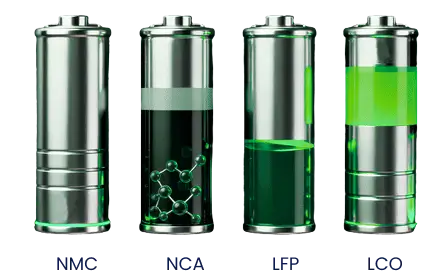
RecycleKaro processes all major Li-ion chemistries: NMC (Nickel Manganese Cobalt), NCA (Nickel Cobalt Aluminum), LFP (Lithium Iron Phosphate), LCO (Lithium Cobalt Oxide), LMO (Lithium Manganese Oxide), and LTO (Lithium Titanium Oxide). Chemistry-tagged intake routes each stream through its optimized hydrometallurgical pathway.
Battery-grade cobalt sulphate, nickel sulphate, lithium carbonate (or lithium hydroxide), and manganese sulphate are recovered at 99.5%+ purity. Copper and aluminum from current collectors are separately refined. All outputs feed directly into Indian battery manufacturing supply chains.
Yes. RecycleKaro holds CPCB and MPCB authorization, R2v3 certification, and ISO 9001, ISO 14001, and ISO 45001 compliance. The facility is a Zero Waste Discharge plant and is registered under the Battery Waste Management Rules 2022.
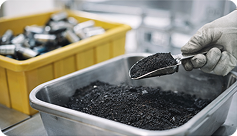
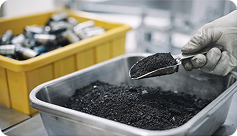
Black mass is the concentrated cathode and anode powder produced when discharged Li-ion cells are mechanically shredded under controlled atmosphere. Battery-grade black mass typically contains 8–15% cobalt, 10–25% nickel, 3–7% lithium, and 5–10% manganese — the recoverable value in every Li-ion battery.
Read More: Black Mass Battery Recycling
EV battery packs require workshop-only handling due to high-voltage safety and pack weight (20–400 kg). RecycleKaro coordinates with vehicle OEMs for authorized end-of-life pack removal and processes them at the Palghar facility. Under 2025 BWMR amendments, EV packs may qualify for second-life stationary storage before final recycling.
Read More: EV Battery Recycling in India
RecycleKaro achieves 95%+ material recovery efficiency with 99.5% output purity across lithium, cobalt, nickel, and manganese — among the highest in India's formal recycling sector. Hydrometallurgical processing is the only route that recovers lithium at battery-grade purity.
EV OEMs and enterprise fleet operators should book a bulk battery recovery assessment for scheduled pickup with chain-of-custody documentation. Individuals with household Li-ion batteries can schedule doorstep pickup across 12,000+ collection touchpoints in India. For damaged or swollen batteries, hazmat pickup is arranged separately.
Yes. Recovered battery-grade cobalt sulphate, nickel sulphate, and lithium carbonate have active commodity markets. For producers under EPR obligation, recycling is also a compliance requirement. From FY 2027–28, India's recycled content mandate transforms recycled material from waste output into a required manufacturing input.
RecycleKaro’s EPR Li-Ion program handles the full compliance cycle: CPCB portal registration, documentation preparation, EPR certificate generation from our 10,000 MT/year Palghar recycling facility, quarterly return filing, and audit support. Our certificates are backed by physical lithium-ion battery recycling at 95%+ recovery efficiency and 99.5% output purity — not paper credits.