
Extended Producer Responsibility is no longer a checkbox exercise. It reflects how seriously an organisation approaches regulatory compliance, sustainability, and long-term risk management.
Recyclekaro enables producers, brands, OEMs, and importers to meet their E-Waste EPR obligations through scientific recycling, transparent reporting, and authorised infrastructure, built to global standards.
Regulatory scrutiny around EPR compliance is increasing. Auditors, regulators, global customers, and ESG stakeholders now look beyond filings to understand how and where e-waste is actually processed.
Models that rely only on collection or documentation without real recycling expose organisations to regulatory, reputational, and operational risk.
Recyclekaro’s EPR framework is designed to remain defensible both on paper and on the ground.

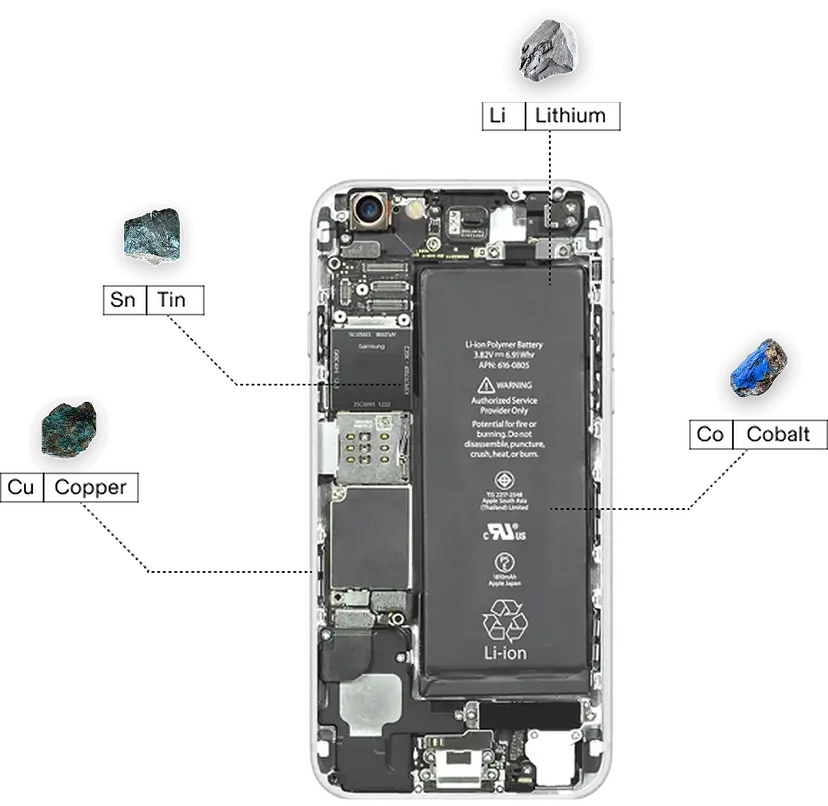
Extraction-led recycling recovers precious, base, and critical metals from complex e-waste, ensuring EPR compliance through.

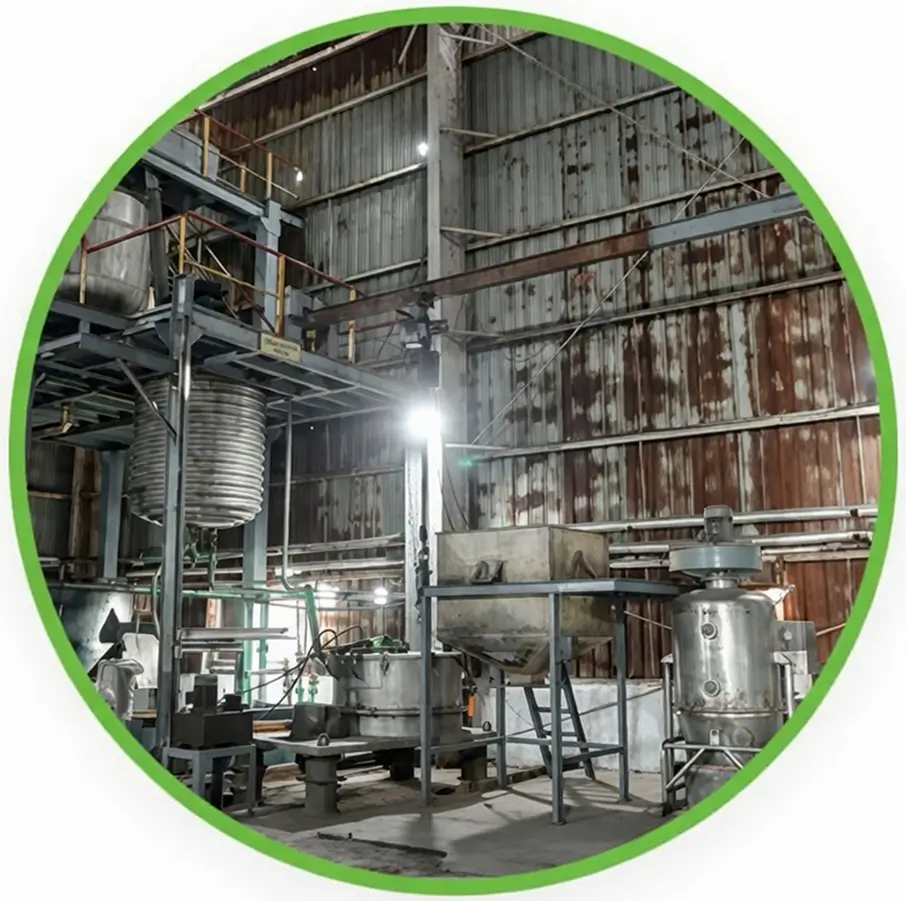
Our MPCB and CPCB-authorised facilities are built for scale, enabling consistent compliance for large and distributed organisations.

Batch-wise records, certificates of recycling, mass-balance reporting, and CPCB-aligned documentation ensure clarity during audits.
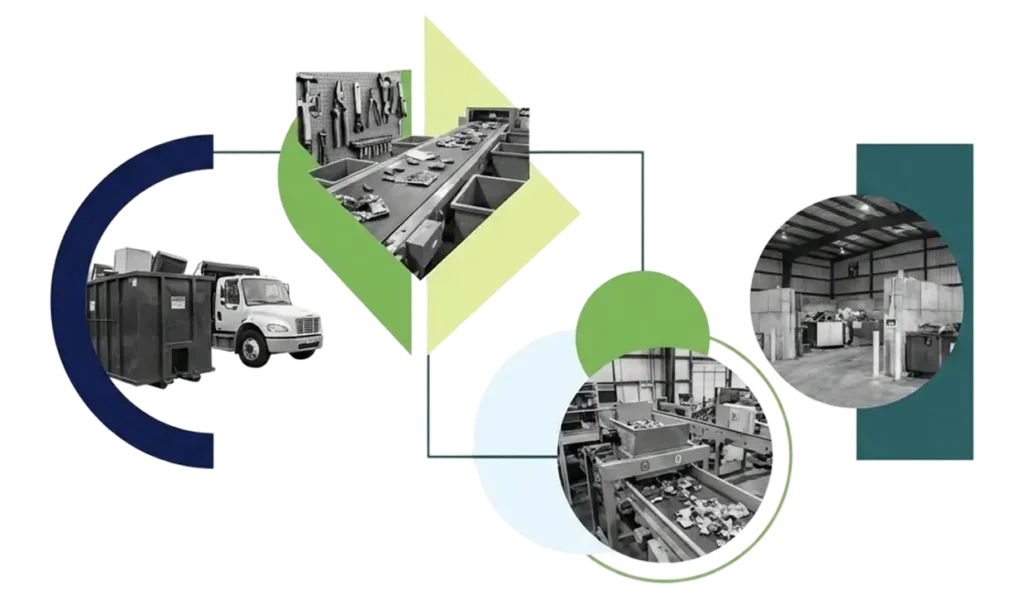
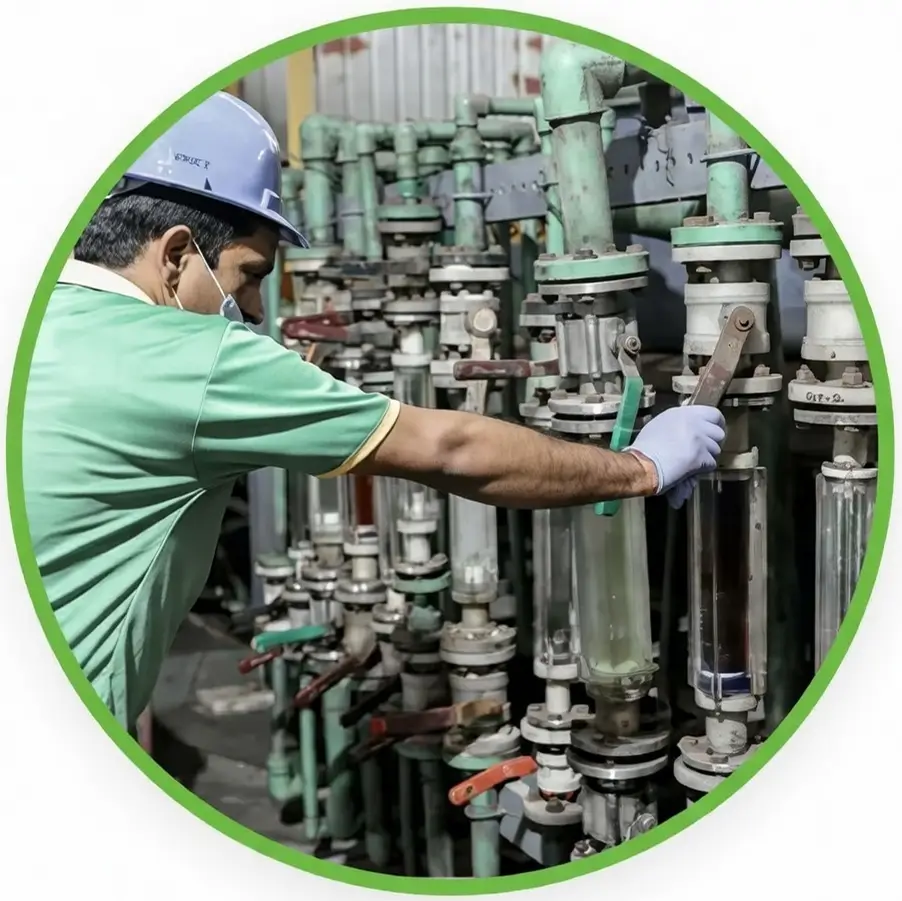
EPR compliance is only as strong as the recycling process behind it. At Recyclekaro, e-waste is scientifically dismantled and processed within authorised facilities.
This ensures your compliance is backed by verifiable physical recycling, not downstream assumptions.
Regulatory audits are becoming more frequent and more detailed. Recyclekaro structures every EPR engagement to remain defensible under CPCB, SPCB, and third-party scrutiny.
Batch-wise recycling data, certificates, and mass-balance reports aligned with regulatory expectations.
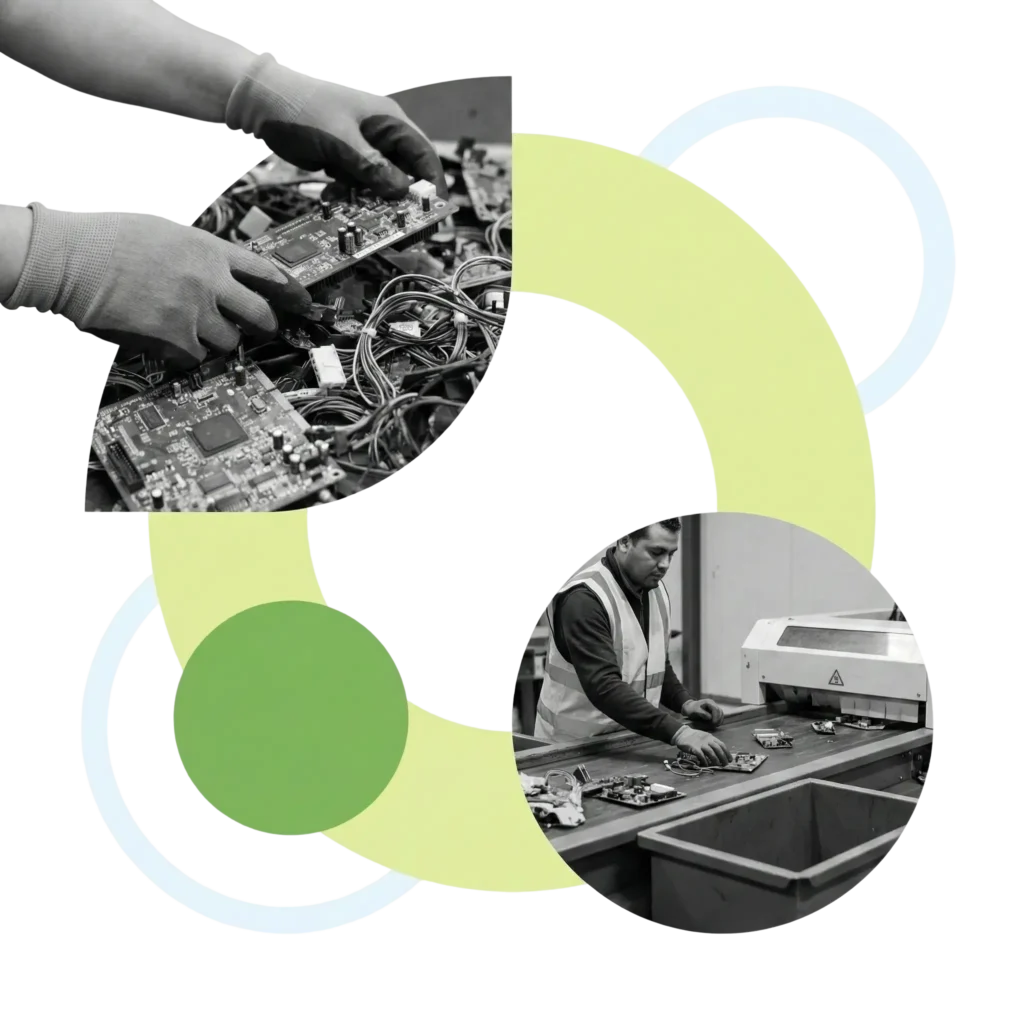
All processing occurs at approved facilities, reducing exposure to deregistration or compliance disputes.
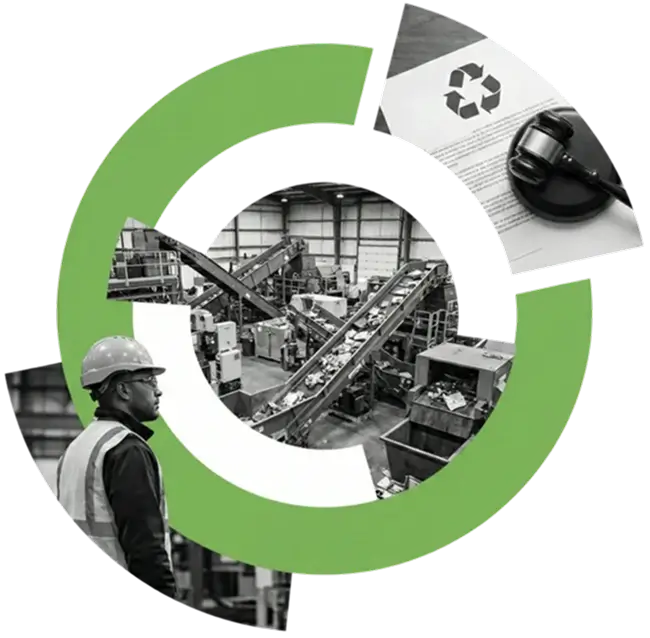
Processes designed for evolving EPR rules, not legacy interpretations.
Batch-wise recycling data, certificates, and mass-balance reports aligned with regulatory expectations.
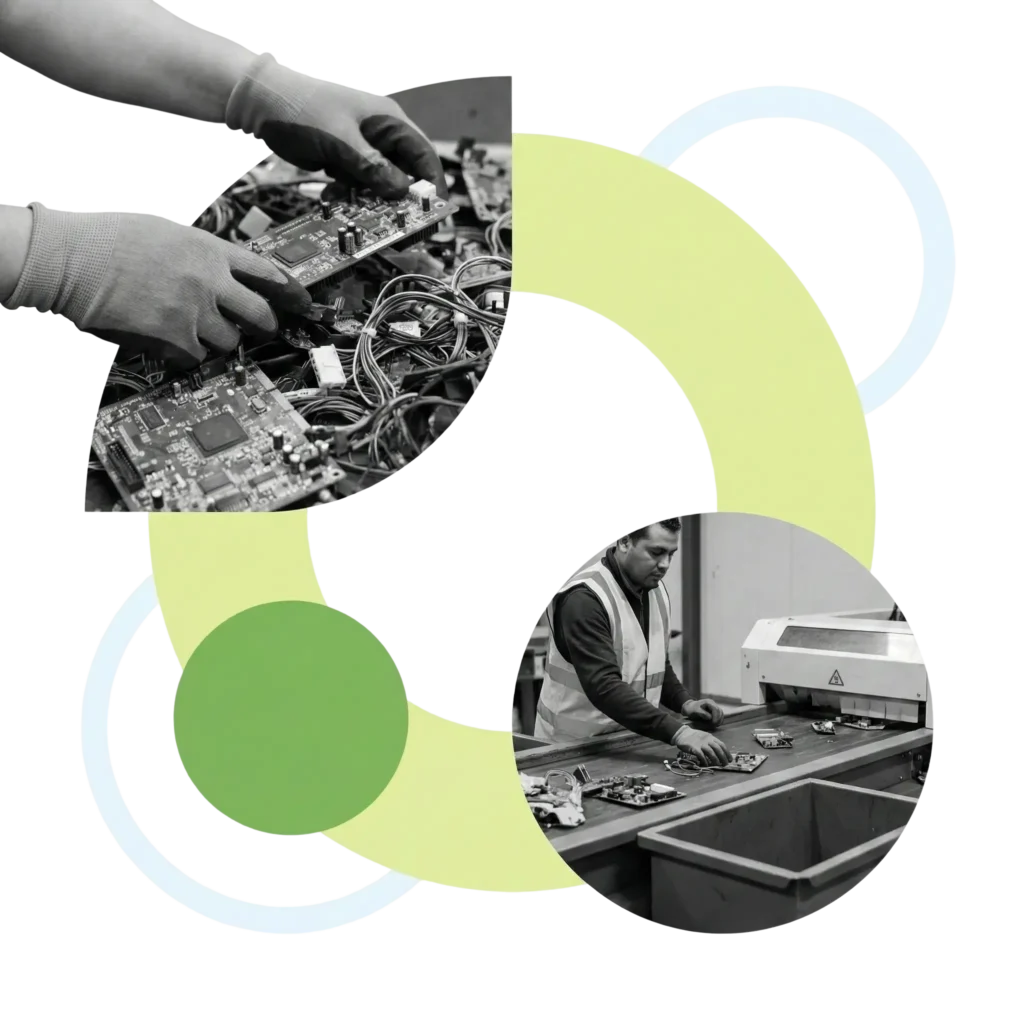
All processing occurs at approved facilities, reducing exposure to deregistration or compliance disputes.
Processes designed for evolving EPR rules, not legacy interpretations.
Not all EPR credits carry the same level of legitimacy. Credits generated without real recycling expose producers to regulatory and reputational risk. This ensures your EPR credits remain defensible even under retrospective scrutiny.
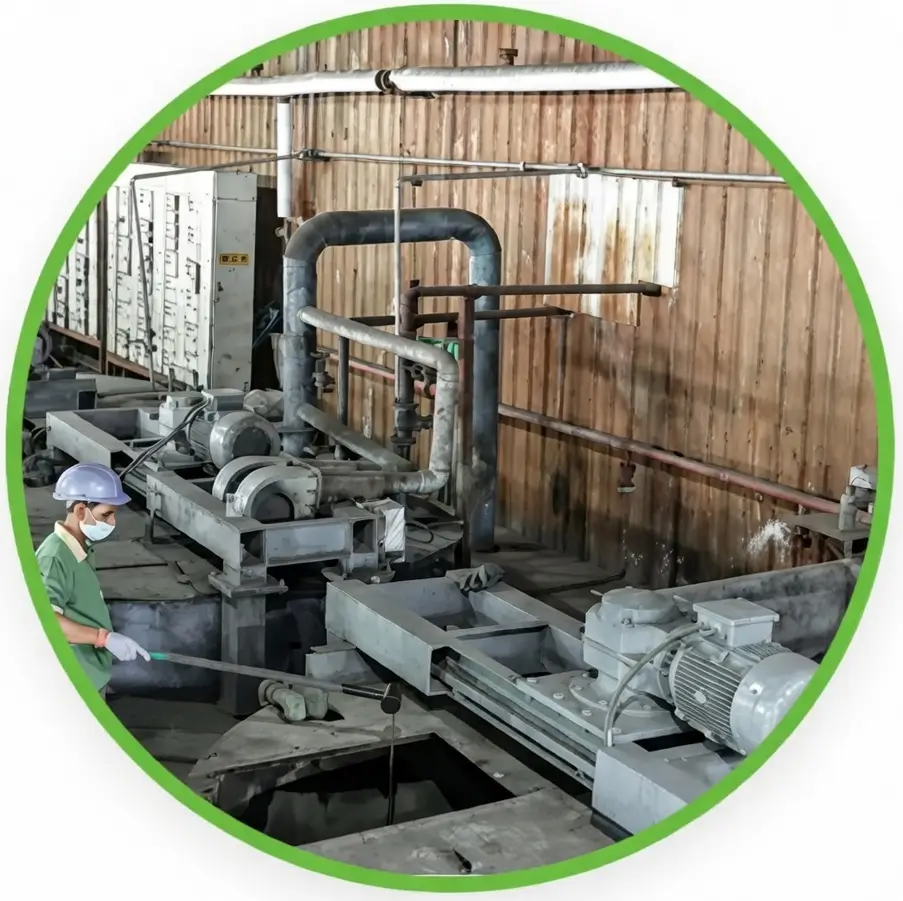
Credits generated only after authorised recycling
No aggregation without physical processing
No paper-based volume adjustments
India’s EPR framework is evolving rapidly, with higher expectations around traceability, recovery outcomes, and recycler capability.
Recyclekaro’s model is designed to support compliance today and remain relevant as regulation tightens.
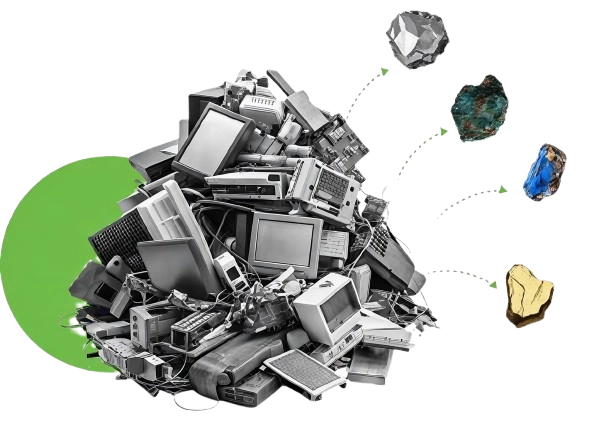
With Recyclekaro, EPR becomes a structured, transparent, and future-ready program that supports compliance, sustainability goals, and brand credibility.

Extended Producer Responsibility (EPR) for e-waste is a producer’s legal obligation under the E-Waste (Management) Rules 2022 to ensure the recycling of a prescribed percentage of end-of-life electrical and electronic equipment placed on the market. Compliance is proven through EPR certificates generated by CPCB-registered recyclers.
Producers (manufacturers and importers) of 106 categories of EEE under the E-Waste Rules 2022, refurbishers who extend equipment life for resale, and bulk consumers generating e-waste beyond threshold volumes all require EPR registration on the CPCB EPR portal. Registration is mandatory before placing EEE on the Indian market.
The current recovery target is 70% for FY 2025-26 and FY 2026-27, then 80% from FY 2027-28 onwards. Targets are calculated against the quantity of EEE placed on market in a notified historical year, adjusted by category-specific average-life values set under the Rules.
Register on the CPCB EPR portal by submitting company details, EEE sales data, GST and PAN documents, authorization letters, and a projected recovery plan. The portal issues an EPR registration number once verified. RecycleKaro handles end-to-end registration and documentation for producer clients. See the full step-by-step guide to epr registration in India →
An EPR certificate is a digital proof-of-recovery issued by a CPCB-registered recycler to a producer, confirming that a specific tonnage of e-waste has been collected and recycled. Producers purchase certificates to meet their annual recovery target. Certificates backed by physical recycling are audit-defensible; paper certificates without recycling evidence are not. Read more about EPR certificates →
The E-Waste (Management) Rules 2022 eliminated the PRO model from April 1, 2023. Producers now meet EPR obligations directly by purchasing EPR certificates from CPCB-registered recyclers on the CPCB EPR portal. PRO contracts under the previous 2016 Rules no longer provide valid compliance proof.
Non-compliance carries Environmental Compensation of up to ₹1 lakh per day of continuing violation, suspension of CPCB registration (which halts the legal ability to sell or import EEE), and prosecution under the Environment (Protection) Act 1986. Compensation is calculated against the shortfall quantity between target and actual recovery.
Cheap credits typically come from aggregation shortcuts and informal-sector recycling that fails CPCB audit scrutiny. Recycling-backed credits from CPCB-authorized facilities cost more because they reflect actual physical processing, material recovery, and chain-of-custody documentation. The audit risk on paper credits often exceeds the per-kg savings. Full breakdown of the epr credits for e-waste market →
EPR registration is the producer's listing on the CPCB EPR portal that confirms they are subject to EPR obligations and tracks their target vs recovery. Authorization refers to the CPCB license held by recyclers, dismantlers, and refurbishers to legally handle e-waste. Producers register; recyclers get authorized.
EPR compliance cost depends on EEE tonnage placed on market, applicable recovery target, and the price per EPR certificate (which varies by category and recycler quality). Certificates backed by physical recycling price higher but are audit-defensible. Add CPCB registration fees and consultant fees if outsourced.
EPR returns for e-waste are filed on the CPCB EPR portal, with the annual return due by June 30 each year. Returns report EEE placed on market, tonnage collected, EPR certificates purchased, and progress against the applicable recovery target. RecycleKaro handles return filing for producer clients.
Yes. RecycleKaro provides CPCB-registered EPR services for both e-waste (under E-Waste Rules 2022) and lithium-ion batteries (under Battery Waste Management Rules 2022). Both programs are backed by physical recycling at our Palghar facility, with chain-of-custody documentation and audit support. See our EPR Li-Ion program →